World Gastroenterology Organisation

Global Guardian of Digestive Health. Serving the World.


World Gastroenterology Organisation Global Guidelines

A Global Cascade Approach to Diagnosis and Management of Chronic Constipation


2025


Review Team

Yeong Yeh Lee (Malaysia) (Chair)
Lubna Kamani (Pakistan) (Co-Chair)
Alejandro Piscoya (Peru)
Dan Dumitrascu (Romania)
Daniel Martin Simadibrata (Indonesia)
Govind K Makharia (India)
Jorge Espinoza-Ríos (Peru)
Jose M Remes-Troche (Mexico)
Mashiko Setshedi (South Africa)
M. Masudur Rahman (Bangladesh)
Nada El-Domiaty (Egypt)
Nazish Butt (Pakistan)
Uday Chand Ghoshal (India)


ContentsPDF version to download and print

(Click to expand section)

1. Introduction

Chronic constipation is a prevalent gastrointestinal disorder characterized by infrequent bowel movements, which is typically defined as fewer than three per week, and is often accompanied by symptoms such as straining, hard stools, and a sensation of incomplete evacuation (1, 2). Globally, the prevalence of chronic constipation varies, affecting approximately 9-20% of the global population (3, 4). This disorder disproportionately impacts women and older adults, leading to significant health-related quality of life impairments and increased healthcare utilization (5-8). Chronic constipation is classified into primary types—normal transit constipation, slow transit constipation, and defecatory disorders—and secondary causes related to medications, metabolic disorders, or structural abnormalities.

The pathophysiology involves colonic sensorimotor disturbances and pelvic floor dysfunction. Management follows a stepwise approach, beginning with lifestyle modifications such as increased fiber and fluid intake, regular exercise, and progressing to pharmacological options, including osmotic and stimulant laxatives, intestinal secretagogues, and prokinetic agents for refractory cases (9). Diagnostic evaluation may involve anorectal manometry and colonic transit studies to identify underlying mechanisms.

Given the substantial burden of chronic constipation on individuals and healthcare systems, there is a critical need for standardized, evidence-based guidelines. This document provides comprehensive recommendations to support healthcare professionals in effectively diagnosing and managing chronic constipation across diverse clinical settings worldwide.

This World Gastroenterology Organisation (WGO) guideline focuses on adult patients and does not specifically discuss children or special groups of patients (such as those with spinal cord injury).

1.1 Cascades—a resource-sensitive approach

The WGO “cascades” recognize the global variations in disease epidemiology, sociocultural factors, and healthcare systems. These differences often make it impractical to implement a single universal gold-standard approach. Instead, the WGO Guidelines provide a tiered framework that offers context-specific and resource-sensitive recommendations, ensuring adaptability to diverse healthcare settings.

This Global WGO Guideline introduces a series of cascades designed to guide the diagnosis and management of chronic constipation, making them applicable across different regions and healthcare infrastructures. Developed for healthcare professionals, including primary care physicians and gastroenterologists, this guideline aims to support clinical decision-making for chronic constipation in a manner that is both globally relevant and locally applicable, ultimately enhancing patient care worldwide.

Cascade: a hierarchical set of diagnostic, therapeutic, and management options for dealing with risk and disease, ranked according to the resources available.

2. Definition and pathogenesis

The term “constipation” varies in meaning and perception across patients, cultures, and regions, likely influenced by dietary habits, lifestyle, and societal norms. While physicians typically define constipation as infrequent bowel movements (usually <3 bowel movements per week), patients often describe a broader range of symptoms, including hard stools, incomplete evacuation, abdominal discomfort, bloating, straining, anorectal blockage, and the need for manual maneuvers.

Cultural and regional differences are known to significantly impact how constipation is experienced and reported by patients (10). Studies have shown that bowel movement patterns and symptom perception can vary across populations, with differences observed between countries such as India and the United States (11) whereby chronic constipation patients in India have more frequent (median of 5 vs. 3 bowel movements/week) and softer bowel movements (48% vs 65.5% proportion of patients with Bristol stool types 1 and 2) compared to those in the United States. In some regions, softer stools and more frequent defecation are reported despite similar diagnostic criteria. In palliative care, definitions often prioritize patient-reported symptoms over stool frequency (12).

Standardized criteria, such as those established by the Rome Foundation (Rome IV), define functional constipation based on key symptoms, including straining, hard stools, a feeling of anorectal obstruction, and reduced bowel movement frequency (13). Similarly, the American Gastroenterological Association (AGA) emphasizes both stool frequency and associated symptoms in its definition. Differences in the medical definition and variations in the reported symptoms make it difficult to provide reliable epidemiologic data. Even with the use of standardized clinical definitions, variations in constipation prevalence suggest that genetic, environmental, and dietary factors play a role in symptom manifestation. These differences underscore the importance of a culturally sensitive approach to diagnosis and management, ensuring that treatment strategies are tailored to the specific needs of diverse populations worldwide.

2.1 Pathogenesis and risk factors

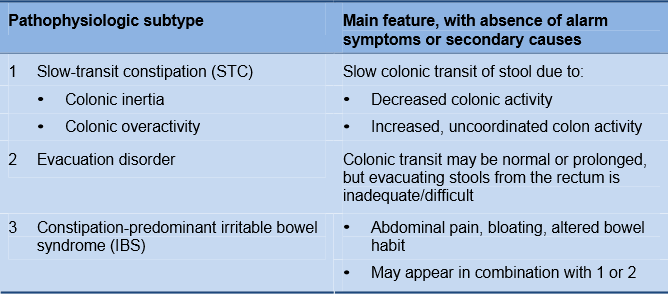
Chronic constipation is a multifactorial disorder with complex pathogenesis and pathophysiology. The pathogenesis of chronic constipation involves alterations in colonic motility, neuroenteric function, rectal and anal coordination, gut microbiota, and central nervous system regulation. Overall, it can be broadly categorized into primary (idiopathic) and secondary forms. Primary chronic constipation includes normal transit constipation (NTC), slow transit constipation (STC), and defecatory disorders (Table 1). Defecatory or Evacuation disorder may be associated with a paradoxical anal contraction or involuntary anal spasm, which may be an acquired behavioral disorder of defecation in two-thirds of patients.

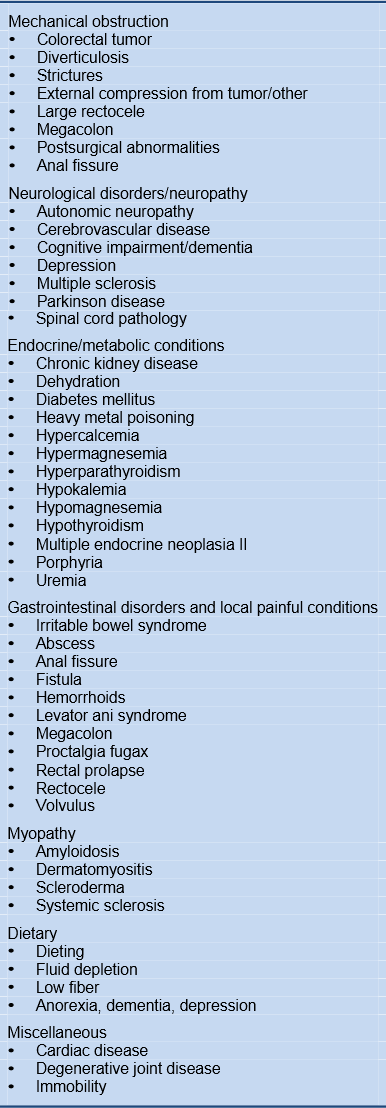
Studies have identified protective and risk factors associated with chronic constipation, which are summarized in Table 2.


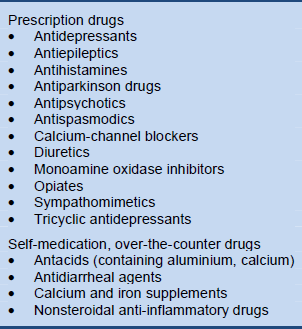
2.2 Associated conditions and medications

3. Diagnosis

3.1    Epidemiology and Impact

Chronic constipation is highly prevalent among adults in the community (14) with an estimated global prevalence of 14%. In older adults, the prevalence is higher, reaching up to 32% in Africa, and is lowest in Asia at 13% (15). According to a more recent epidemiological study by the Rome Foundation, applying the Rome IV criteria, there is a significant variability in the prevalence of chronic constipation between geographical areas (16) with an estimated global prevalence of 11.7% (95%CI 11.4-12.0%) (5). The prevalence is twice as often in women as in males (3). Additionally, functional constipation was observed to be less common among obese participants in Europe (17). This was in contrast with general evidence that chronic constipation is correlated with higher body mass index (18). In hospitalized patients, chronic constipation is present in more than half of the patients (19).

Chronic constipation is frequently self-diagnosed by the patients. Many patients do not have education on the physiology of the gut and consider difficult evacuation as natural (20). Only 20% of people with chronic constipation seek medical care (4) partly due to stigma and embarrassment, especially among the elderly(21). This means that many constipated patients remain underdiagnosed, as many avoid discussing their symptoms with a doctor (22). The report also found that between 2017 and 2018, nearly 200 people were hospitalized daily due to chronic constipation, totaling over 160,000 bed days per year. Treatment costs exceeded £160 million, including more than £70 million for unplanned admissions and over £90 million for laxative use (23). Therefore, effective diagnostic evaluation by gastrointestinal specialists should prioritize identifying patients most likely to benefit from targeted diagnostic assessment and specialized treatment according to available health-care resources.

3.2    Diagnostic criteria for functional constipation

To diagnose constipation, physicians may ask about the frequency of the stools, the form of the stools, and if difficulties in defecation exist. Some patients focus on their symptoms related to bowel movements and hence overdiagnose constipation. Diagnostic criteria for chronic constipation by the Rome Foundation Working Committees are shown in Table 5 (24).

3.3    Patient evaluation

Constipation is generally considered a symptom-based disorder, which is advocated together with a limited number of tests to rule out other diagnoses. The medical history and physical examination of patients with constipation should focus on identifying possible causative conditions and alarm symptoms.

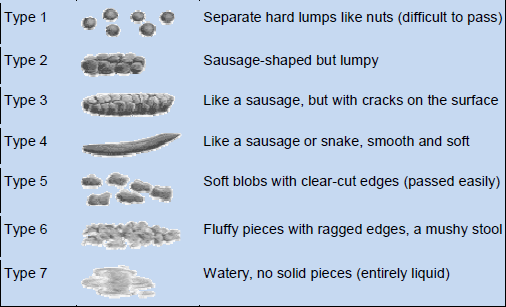
  • Stool consistency, as assessed using the Bristol Stool Form Scale (Fig. 1), is a better indicator of colon transit than stool frequency.

  • Detailed symptom description; symptom diary and several validated questionnaires are available (PAC-SYM, PAC-QOL, Cleveland Clinic Constipation Scoring System, among others). Symptoms assessed included those mentioned in Table 5, but may also include bloating, pain, malaise, unsatisfactory defecation, among others.
  • History of and current usage of laxatives; frequency and dosage
  • Current medical conditions, past medical and surgical history, any neurological (e.g., Parkinson’s disease) or psychiatric disorders
  • Lifestyle, dietary habits (fiber intake), physical activity, and fluid consumption
  • Medication review, including prescription and over-the-counter drugs
  • Use of narcotics; the underlying reasons for overuse should be checked
  • Use of suppositories or enemas
  • Physical examination:
    — Abdominal exam to exclude gastrointestinal masses
    — Detailed and focused anorectal examination to identify:
                        Fissures
                        Hemorrhoids
                        Fecal impaction
                        Strictures, rectal prolapse, rectocele
                        Impaired anal squeeze and push effort
                        Paradoxical or nonrelaxing puborectalis contraction
                        Rectal mass
  • Blood tests (if indicated): complete blood count, comprehensive metabolic profile, serum calcium and glucose levels, and thyroid function tests

3.4 Alarm symptoms

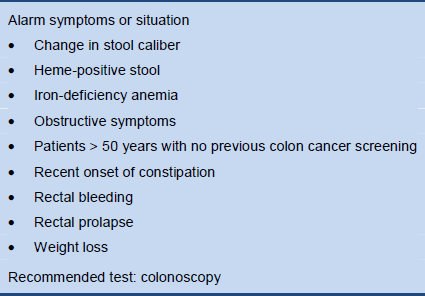
The presence of alarm symptoms and warning signs must be carefully evaluated based on the clinical history (Table 6), and to identify common causes that can lead to secondary constipation.

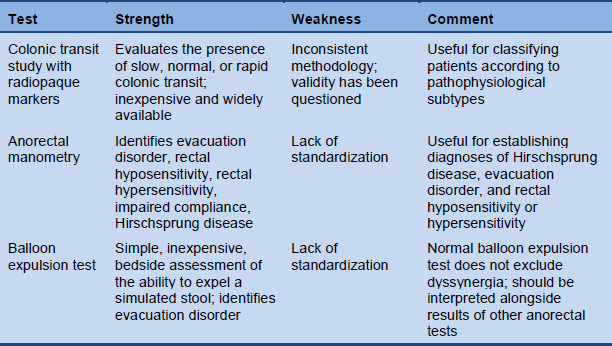
3.5    Indications for advanced diagnostic tests

Advanced diagnostic studies of colonic, rectal, and anal function (Table 7) are recommended in patients in whom organic causes of constipation have been excluded; who have failed first-line conservative therapies, such as optimization of stool consistency, bowel habit training, and lifestyle advice; and who are refractory to standard pharmacological treatments.

3.6    Transit measurement

The 5-day marker retention study is a simple method for measuring colonic transit. Markers are ingested on one occasion, and remaining markers are quantified on a plain abdominal radiograph after 120 hours. Transit is considered delayed if more than 20% of the markers remain in the colon. Distal accumulation of markers may indicate an evacuation disorder, and in typical cases of slow-transit constipation, almost all markers remain, and markers are seen in both the right and left colon. The protocol may have to be modified according to the gut transit time of the local population. For example, in India, a protocol consisting of 20 marker ingestions at three different times (0, 12, and 24 hours), followed by abdominal radiographs at 36 and 60 hours has been recommended (27). Several companies produce markers, but in low-resource settings, markers can also be made from a patient-safe radiopaque tube by cutting it into small pieces (2–3 mm long). A suitable number of markers (20–24 pieces) can be placed in gelatin capsules to facilitate ingestion.

3.7    Clinical evaluation

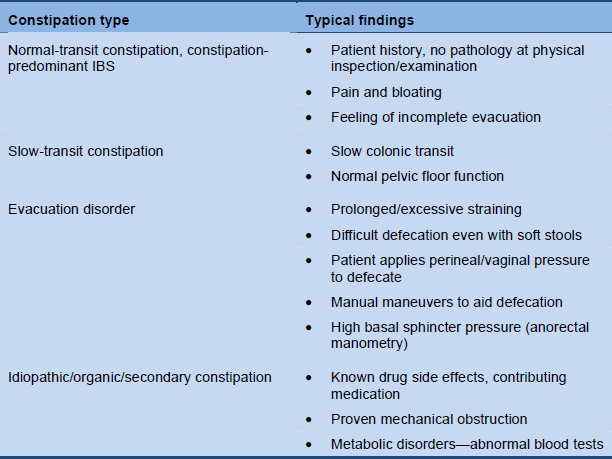
Classification of the patient’s constipation should be possible based on the clinical history and appropriate examination and testing (Table 8). We must understand that constipation is a clinical syndrome presenting different symptoms that manifest differently in each person. These symptoms can be influenced by geographic location, diet, physical activity, and other factors.

3.8    Recommended cascade options for investigating severe and treatment-refractory constipation

4. Treatment

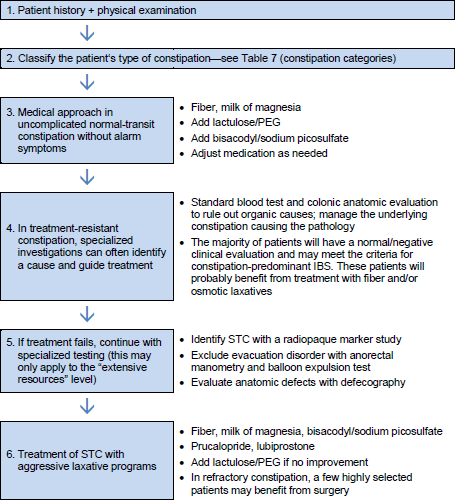
4.1    General scheme for approach and management of constipation

4.2    Diet and Supplementary Fiber

Fiber in diet and or supplementation is considered as the first-line treatment for patients with chronic constipation, as suggested by most guidelines, including those from the British, American, and European professional societies. Dietary fibers are carbohydrates (both natural and synthetic) that resist digestion in the small intestine of humans. There are three main types of fibers: soluble, insoluble, and fermentable. Detailed descriptions of these types of fiber can be found in the WGO Practice Guideline publication, ‘Diet and the Gut’  (https://www.worldgastroenterology.org/guidelines/diet-and-the-gut).

Whole-grain products, fruits, vegetables, nuts, and seeds are good sources of dietary fiber. Fiber supplementation using psyllium has shown benefits in the management of chronic constipation (28). Improvements in bowel movement frequency and consistency may be observed by gradually increasing dietary fiber to a target dose of 20–30 g of total dietary and/or supplementary fiber per day. Fiber should be introduced gradually into the diet over weeks rather than days, to allow the body to adjust. Of note, evidence for the efficacy of fiber is notably lacking for individual constipation subtypes: metabolic, neurological, diet-related, myogenic, drug-related, and pelvic floor dysfunction.

In patients with obstructive diseases of the intestine, a high-fiber diet should be avoided. Fiber supplements should also be avoided in patients with defecatory disorders (29). Increasing fiber in the diet too quickly can also lead to symptoms such as gas, bloating, and abdominal cramping, so gradually increasing intake of fiber should be advised.

4.3    Pharmacological therapy – An evidence-based summary

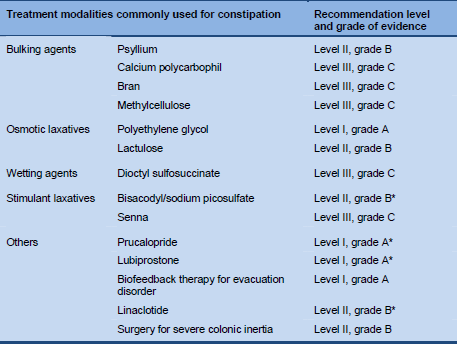
Sections 4.5 and 4.6 provide the stepwise cascade approach, and the evidence-based summary of each pharmacological treatment is mentioned in this section, as provided in Table 9.

4.4 Surgical approaches

It is important to note that surgical treatment should only be offered after performing physiological tests. Furthermore, this should only be done if the cause of chronic constipation lies within the colon and/or rectum (slow-transit constipation, evacuation disorder) (35). Surgery may be an effective treatment for patients suffering from an evacuation disorder due to structural causes, as proven by imaging following failed conservative treatment. Such causes may include intussusception, rectocele, rectal prolapse, or descending perineum syndrome (36, 37). Some patients may benefit from total colectomy with ileorectal anastomosis. The indication for colectomy must be established in a specialized and experienced tertiary center (38). Disappointing results may be seen, with fecal incontinence due to surgery and recurrent constipation, especially in patients with evacuation disorder. Some patients may also benefit from a (reversible) colostomy to treat constipation.

4.5    Recommended cascade options for treatment of chronic constipation

Local resources and access often dictate the approach to management of chronic constipation; hence, the cascade options are provided here. Organic and functional constipation needs a different approach. The following cascade is intended for patients with chronic constipation without alarm symptoms and with little or no suspicion of a defecatory disorder. The main symptoms would be hard stools and/or infrequent bowel movements.

4.6    First-level cascade treatment approach

Symptomatic treatment of constipation is the recommended first-level cascade approach, provided that organic and secondary causes have been excluded. Please also refer to section 4.1 and 4.5.

  • Lifestyle modifications: Besides fiber, as mentioned in section 4.2, increased fluid intake should be used to enhance colonic transit and minimize bloating. Regular exercise is strongly recommended; in particular, aerobic activities such as brisk walking, jogging, cycling, and swimming have been shown to stimulate gut motility and reduce colonic transit time. Proper toilet habits, such as responding promptly to the urge to defecate and adopting a squatting position, can also facilitate bowel movements. Finally, identifying and discontinuing medications that contribute to constipation is essential for optimal symptom control (see Table 4).
  • Osmotic laxatives are the recommended first-line pharmacologic agents. Polyethylene glycol (PEG) and lactulose have strong clinical evidence supporting their effectiveness in treating constipation. However, lactulose is associated with a higher incidence of gastrointestinal side effects, such as bloating, flatulence, and abdominal discomfort. In some regions, magnesium oxide is also used. Please also refer to Table 9.
  • Stimulant laxatives such as bisacodyl can be used as rescue therapy. Although effective for short-term symptom relief, their use should generally be limited to intermittent or as-needed administration to avoid potential adverse effects such as electrolyte imbalances, abdominal cramping, and the theoretical risk of colonic neuromuscular dysfunction with long-term use. Please also refer to Table 9.

4.7     Second- or third-level cascade treatment approach

When the first-level cascade approach is ineffective, then the next strategy would involve level two or level three approaches, depending on local resources or approach (also refer to section 4.1 and 4.8). Level two interventions include the following:

  • Psychological interventions, such as cognitive behavioral therapy (CBT) and gut-directed hypnotherapy, demonstrate robust clinical efficacy for chronic constipation management. Originally established for irritable bowel syndrome (IBS), including IBS-C, these evidence-based therapies improve global symptom burden, reduce pain catastrophizing, and enhance quality of life(39, 40). These modalities are particularly beneficial for patients with comorbid anxiety, depression, or maladaptive illness behaviors and represent cost-effective components of multimodal care(41).
  • Neuromodulators are commonly employed for visceral pain, hypersensitivity, or mood comorbidities; however, they require cautious selection. Tricyclic antidepressants (TCAs) with strong anticholinergic effects (such as amitriptyline) may exacerbate constipation and should generally be avoided(42). Instead, clinicians should consider secondary-amine TCAs (nortriptyline, desipramine) or SNRIs in patients with predominant pain or mood symptoms, while SSRIs (e.g., citalopram) may benefit anxiety symptoms and carry lower constipation risk(43). These agents should be prescribed within a shared decision-making framework with close monitoring of bowel habits.
  • Surgery may be considered in carefully selected patients with medically refractory constipation, particularly those with confirmed STC, where subtotal colectomy (with ileorectal or cecorectal anastomosis) may provide symptom relief. However, adverse outcomes including postoperative incontinence, diarrhea, small bowel obstruction, or stoma requirement can occur in a minority(44, 45)⁠. Long‑term data remain variable, reflecting heterogeneity in patient selection and surgical techniques⁠. For anatomical causes such as external rectal prolapse or internal prolapse, resection rectopexy and mesh or suture rectopexy (e.g., laparoscopic ventral mesh rectopexy) demonstrate robust functional outcomes. A 2024 meta‑analysis highlighted constipation improvement in 83–100% of cases with resection rectopexy, and noted lower recurrence rates with abdominal versus perineal approaches (6% vs.19.3%) with comparable complication profiles(46)⁠. Additional studies emphasize low morbidity, favorable cosmesis, rapid recovery, and effective correction of prolapse-related constipation following laparoscopic mesh or suture rectopexy(47).⁠

For third-level cascade interventions, which typically apply to regions with extensive resources, treatment incorporates advanced pharmacologic agents alongside cutting-edge device-based or neuromodulation therapies.

  • Among advanced pharmaceuticals (see Table 9), agents such as linaclotide, lubiprostone, elobixibat, and guanylate cyclase-c (GC-C) receptor agonists are well-established in current guidelines. These medications enhance intestinal secretion, reduce transit time, or modulate bile acid signaling to increase spontaneous bowel movement frequency in patients unresponsive to bulk-forming or osmotic laxatives.

Regarding non-pharmacological therapies, established and emerging device-based interventions are gaining clinical acceptance:

  • The vibrating capsule is an ingestible device delivering timed vibratory stimulation along the colon. A landmark phase 3 randomized controlled trial (n=312) demonstrated significantly higher proportions of complete spontaneous bowel movement (CSBM) responders: ≥1 CSBM/week (39% vs 22%; p=0.001) and ≥2 CSBMs/week (23% vs 11%; p=0.008) compared to placebo, with generally mild gastrointestinal adverse events(48).
  • Percutaneous (or transcutaneous) tibial nerve stimulation (PTNS/TTNS) provides neuromodulation via the tibial nerve, targeting sacral pathways controlling colonic motility. Systematic reviews have documented symptomatic benefits; however, protocol heterogeneity and variable stimulation parameters indicate PTNS is currently best considered in specialized centers or research contexts(49).
  • Sacral nerve stimulation (SNS), while well-established for fecal incontinence, has not demonstrated consistent efficacy for chronic constipation. Multiple high-quality randomized controlled trials confirm lack of significant improvement in complete bowel movements, combined with procedural risks, potential reoperation requirements, and high costs, making SNS unsuitable for routine use outside research protocols(50-52).
  • Repetitive transcranial magnetic stimulation (rTMS) remains experimental but shows promising preliminary results. Recent trials in functional constipation and disease-associated constipation (particularly Parkinson’s-related) suggest improvements in bowel frequency and global symptoms (53, 54).

Furthermore, when these less-invasive and device-based treatments fail or prove unfeasible, advanced surgical interventions may be considered. Such procedures carry significant risks and should be reserved for highly selected patients within multidisciplinary expert centers.

Stapled Trans-Anal Rectal Resection (STARR) is a minimally invasive, transanal procedure targeting obstructed defecation secondary to internal rectal prolapse or rectocele. A systematic review emphasized that STARR is safe and effective in managing constipation due to obstructed defecation syndrome and improves patients’ quality of life(55)⁠. However, STARR carries notable complication rates up to 36% in some cohorts, including bleeding, fecal urgency, flatus incontinence, and symptom recurrence over time (recurrence rates approximately 12% at 36 months)(56, 57)⁠.

4.8    Recommended cascade options for treatment of defecatory disorder

This cascade is for patients with chronic constipation without alarm symptoms, but with a defecatory disorder.

4.9    Defecatory Disorder

Management of defecatory disorders can be approached in a stepwise manner, beginning with interventions that require limited resources. Please also refer to cascade section 4.8.

  • At level one cascade, the focus is on dietary and behavioral modifications, which are often the cornerstone of initial management. Patients are advised to increase dietary fiber intake, ensure adequate hydration, and adopt timed bowel training to encourage regular defecation habits. In addition, basic therapy for chronic constipation is initiated, which may include over-the-counter laxatives or stool softeners when necessary. These strategies aim to improve stool consistency and promote more effective bowel movements with minimal cost and complexity.
  • If symptoms persist despite these measures, level two cascade interventions are considered, which require moderate resources and specialized input. Biofeedback therapy, particularly useful for patients with pelvic floor dyssynergia, can retrain the coordination of abdominal and pelvic floor muscles during defecation. Neuromodulators, such as certain antidepressants or agents that modulate visceral sensitivity, may be used to address associated pain or altered bowel sensations. Psychological therapy is also important, as anxiety, depression, and maladaptive coping mechanisms can exacerbate defecatory dysfunction. These targeted approaches address the multifactorial nature of defecatory disorders, particularly when behavioral modifications alone are insufficient.

For patients with severe, refractory symptoms who do not respond to lower-tier therapies, level three cascade management involves extensive resource use, including surgical evaluation. Surgery is generally reserved for selected cases with structural abnormalities or severe functional impairment not amenable to conservative or minimally invasive treatments. Procedures may include correction of anatomical defects or, in rare and highly selected cases, more definitive interventions such as colectomy. Given the potential risks and long-term implications, surgical intervention is only considered after thorough evaluation by a multidisciplinary team, ensuring that all conservative options have been exhausted and that the patient is appropriately counseled on expected outcomes and risks.

References

1.         Bharucha AE, Lacy BE. Mechanisms, Evaluation, and Management of Chronic Constipation. Gastroenterology. 2020;158(5):1232-49.e3.

2.         Sharma A, Rao S. Constipation: Pathophysiology and Current Therapeutic Approaches. Handb Exp Pharmacol. 2017;239:59-74.

3.         Barberio B, Judge C, Savarino EV, Ford AC. Global prevalence of functional constipation according to the Rome criteria: a systematic review and meta-analysis. Lancet Gastroenterol Hepatol. 2021;6(8):638-48.

4.         Oh SJ, Fuller G, Patel D, Khalil C, Spalding W, Nag A, et al. Chronic Constipation in the United States: Results From a Population-Based Survey Assessing Healthcare Seeking and Use of Pharmacotherapy. Am J Gastroenterol. 2020;115(6):895-905.

5.         Sperber AD, Bangdiwala SI, Drossman DA, Ghoshal UC, Simren M, Tack J, et al. Worldwide Prevalence and Burden of Functional Gastrointestinal Disorders, Results of Rome Foundation Global Study. Gastroenterology. 2021;160(1):99-114.e3.

6.         Verkuijl SJ, Meinds RJ, Trzpis M, Broens PMA. The influence of demographic characteristics on constipation symptoms: a detailed overview. BMC Gastroenterol. 2020;20(1):168.

7.         Neri L, Basilisco G, Corazziari E, Stanghellini V, Bassotti G, Bellini M, et al. Constipation severity is associated with productivity losses and healthcare utilization in patients with chronic constipation. United European Gastroenterol J. 2014;2(2):138-47.

8.         Tomita T, Kazumori K, Baba K, Zhao X, Chen Y, Miwa H. Impact of chronic constipation on health-related quality of life and work productivity in Japan. J Gastroenterol Hepatol. 2021;36(6):1529-37.

9.         Chang L, Chey WD, Imdad A, Almario CV, Bharucha AE, Diem S, et al. American Gastroenterological Association-American College of Gastroenterology Clinical Practice Guideline: Pharmacological Management of Chronic Idiopathic Constipation. Gastroenterology. 2023;164(7):1086-106.

10.       Patimah AW, Lee YY, Dariah MY. Frequency patterns of core constipation symptoms among the Asian adults: a systematic review. BMC Gastroenterol. 2017;17(1):115.

11.        Singh P, Surana R, Soni S, Agnihotri A, Ahuja V, Makharia GK, et al. Cross cultural comparison of constipation profiles at tertiary care centers between India and USA. Neurogastroenterol Motil. 2018.

12.       Clark K, Currow DC. Constipation in palliative care: what do we use as definitions and outcome measures? J Pain Symptom Manage. 2013;45(4):753-62.

13.       Palsson OS, Whitehead WE, van Tilburg MAL, Chang L, Chey W, Crowell MD, et al. Development and Validation of the Rome IV Diagnostic Questionnaire for Adults. Gastroenterology. 2016;150(6):1481-91.

14.       Camilleri M, Ford AC, Mawe GM, Dinning PG, Rao SS, Chey WD, et al. Chronic constipation. Nature Reviews Disease Primers. 2017;3(1):17095.

15.       Salari N, Ghasemianrad M, Ammari-Allahyari M, Rasoulpoor S, Shohaimi S, Mohammadi M. Global prevalence of constipation in older adults: a systematic review and meta-analysis. Wien Klin Wochenschr. 2023;135(15-16):389-98.

16.       Sbahi H, Cash BD. Chronic Constipation: a Review of Current Literature. Current Gastroenterology Reports. 2015;17(12):47.

17.       Melchior C, Hreinsson JP, Tack J, Keller J, Aziz Q, Palsson OS, et al. Disorders of the gut-brain interaction among European people with obesity: Prevalence and burden of compatible symptoms. United European Gastroenterol J. 2025.

18.       Xiang N, Xu L, Qian H, Zhang D. Multiple obesity indices suggest a close relationship between obesity and constipation: evidence from NHANES. BMC Public Health. 2024;24(1):1273.

19.       Al Nou'mani J, Al Alawi AM, Al-Maqbali JS, Al Abri N, Al Sabbri M. Prevalence, Recognition, and Risk Factors of Constipation among Medically Hospitalized Patients: A Cohort Prospective Study. Medicina (Kaunas). 2023;59(7).

20.       Harris LA, Horn J, Kissous-Hunt M, Magnus L, Quigley EMM. The Better Understanding and Recognition of the Disconnects, Experiences, and Needs of Patients with Chronic Idiopathic Constipation (BURDEN-CIC) Study: Results of an Online Questionnaire. Adv Ther. 2017;34(12):2661-73.

21.       Patimah AW, Lee YY, Hawa AS, Azidah AK, Dariah MY. Beliefs and behavioural responses to constipation among elderly Malays in north-eastern Peninsular Malaysia. TheAustralian and New Zealand Continence Journal. 2017;23(3):76-83.

22.       Drossman DA, Li Z, Andruzzi E, Temple RD, Talley NJ, Thompson WG, et al. U.S. householder survey of functional gastrointestinal disorders. Prevalence, sociodemography, and health impact. Dig Dis Sci. 1993;38(9):1569-80.

23.       Group BI. Cost of Constipation Report 2019 [Available from: https://bowelinterestgroup.co.uk/cost-ofconstipation-report-2019-hcps/.

24.       Mearin F, Lacy BE, Chang L, Chey WD, Lembo AJ, Simren M, et al. Bowel Disorders. Gastroenterology. 2016.

25.       Lewis SJ, Heaton KW. Stool form scale as a useful guide to intestinal transit time. Scand J Gastroenterol. 1997;32(9):920-4.

26.       Rao SS. Constipation: evaluation and treatment of colonic and anorectal motility disorders. Gastrointest Endosc Clin N Am. 2009;19(1):117-39, vii.

27.       Ghoshal UC, Sachdeva S, Pratap N, Verma A, Karyampudi A, Misra A, et al. Indian consensus on chronic constipation in adults: A joint position statement of the Indian Motility and Functional Diseases Association and the Indian Society of Gastroenterology. Indian J Gastroenterol. 2018;37(6):526-44.

28.       van der Schoot A, Drysdale C, Whelan K, Dimidi E. The Effect of Fiber Supplementation on Chronic Constipation in Adults: An Updated Systematic Review and Meta-Analysis of Randomized Controlled Trials. Am J Clin Nutr. 2022;116(4):953-69.

29.       Rao SS, Patcharatrakul T. Diagnosis and Treatment of Dyssynergic Defecation. J Neurogastroenterol Motil. 2016;22(3):423-35.

30.       Camilleri M, Brandler J. Refractory Constipation: How to Evaluate and Treat. Gastroenterol Clin North Am. 2020;49(3):623-42.

31.       Suares NC, Ford AC. Systematic review: the effects of fibre in the management of chronic idiopathic constipation. Aliment Pharmacol Ther. 2011;33(8):895-901.

32.       Ford AC, Suares NC. Effect of laxatives and pharmacological therapies in chronic idiopathic constipation: systematic review and meta-analysis. Gut. 2011;60(2):209-18.

33.       Shah ED, Kim HM, Schoenfeld P. Efficacy and Tolerability of Guanylate Cyclase-C Agonists for Irritable Bowel Syndrome with Constipation and Chronic Idiopathic Constipation: A Systematic Review and Meta-Analysis. Am J Gastroenterol. 2018;113(3):329-38.

34.       Rao SS, Manabe N, Karasawa Y, Hasebe Y, Nozawa K, Nakajima A, et al. Comparative profiles of lubiprostone, linaclotide, and elobixibat for chronic constipation: a systematic literature review with meta-analysis and number needed to treat/harm. BMC Gastroenterol. 2024;24(1):12.

35.       Bove A, Pucciani F, Bellini M, Battaglia E, Bocchini R, Altomare DF, et al. Consensus statement AIGO/SICCR: diagnosis and treatment of chronic constipation and obstructed defecation (part I: diagnosis). World J Gastroenterol. 2012;18(14):1555-64.

36.       Pfeifer J. Surgical options to treat constipation: A brief overview. Rozhl Chir. 2015;94(9):349-61.

37.       Grossi U, Horrocks EJ, Mason J, Knowles CH, Williams AB. Surgery for constipation: systematic review and practice recommendations: Results IV: Recto-vaginal reinforcement procedures. Colorectal Dis. 2017;19 Suppl 3:73-91.

38.       Mercer-Jones M, Grossi U, Pares D, Vollebregt PF, Mason J, Knowles CH. Surgery for constipation: systematic review and practice recommendations: Results III: Rectal wall excisional procedures (Rectal Excision). Colorectal Dis. 2017;19 Suppl 3:49-72.

39.       Black CJ, Thakur ER, Houghton LA, Quigley EMM, Moayyedi P, Ford AC. Efficacy of psychological therapies for irritable bowel syndrome: systematic review and network meta-analysis. Gut. 2020;69(8):1441-51.

40.       Kinsinger S, Palsson O. Survey of Current Practices and Experiences of Clinicians Treating Irritable Bowel Syndrome (IBS) With Cognitive Behavioral Therapy and/or Gut-Directed Hypnosis. Neurogastroenterol Motil. 2025:e70058.

41.       Palsson OS, Ballou S. Hypnosis and Cognitive Behavioral Therapies for the Management of Gastrointestinal Disorders. Curr Gastroenterol Rep. 2020;22(7):31.

42.       Drossman DA, Tack J, Ford AC, Szigethy E, Törnblom H, Van Oudenhove L. Neuromodulators for Functional Gastrointestinal Disorders (Disorders of Gut−Brain Interaction): A Rome Foundation Working Team Report. Gastroenterology. 2018;154(4):1140-71.e1.

43.       Törnblom H, Drossman DA. Psychotropics, Antidepressants, and Visceral Analgesics in Functional Gastrointestinal Disorders. Curr Gastroenterol Rep. 2018;20(12):58.

44.       Macha MR. The feasibility of laparoscopic subtotal colectomy with cecorectal anastomosis in community practice for slow transit constipation. Am J Surg. 2019;217(5):974-8.

45.       Alavi K, Thorsen AJ, Fang SH, Burgess PL, Trevisani G, Lightner AL, et al. The American Society of Colon and Rectal Surgeons Clinical Practice Guidelines for the Evaluation and Management of Chronic Constipation. Diseases of the Colon & Rectum. 2024;67(10).

46.       Emile SH, Wignakumar A, Horesh N, Garoufalia Z, Strassmann V, Boutros M, et al. Systematic literature review and meta-analysis of surgical treatment of complete rectal prolapse in male patients. Techniques in Coloproctology. 2024;28(1):158.

47.       Habeeb T, Podda M, Chiaretti M, Kechagias A, Lledó JB, Kalmoush AE, et al. Comparative study of laparoscopic ventral mesh rectopexy versus perineal stapler resection for external full-thickness rectal prolapse in elderly patients: enhanced outcomes and reduced recurrence rates-a retrospective cohort study. Tech Coloproctol. 2024;28(1):48.

48.       Rao SSC, Quigley EMM, Chey WD, Sharma A, Lembo AJ. Randomized Placebo-Controlled Phase 3 Trial of Vibrating Capsule for Chronic Constipation. Gastroenterology. 2023;164(7):1202-10.e6.

49.       Hamedfar M, Ghaderi F, Salehi Pourmehr H, Soltani A, Ghojazadeh M, Vahed N. Posterior tibial nerve electrical stimulation in chronic constipation: a systematic review and meta-analysis. Gastroenterol Hepatol Bed Bench. 2024;17(1):6-16.

50.       Dinning PG, Hunt L, Patton V, Zhang T, Szczesniak M, Gebski V, et al. Treatment efficacy of sacral nerve stimulation in slow transit constipation: a two-phase, double-blind randomized controlled crossover study. Am J Gastroenterol. 2015;110(5):733-40.

51.       Zerbib F, Siproudhis L, Lehur PA, Germain C, Mion F, Leroi AM, et al. Randomized clinical trial of sacral nerve stimulation for refractory constipation. Br J Surg. 2017;104(3):205-13.

52.       Emile SH, Dourado J, Wignakumar A, Horesh N, Garoufalia Z, Gefen R, et al. Meta-analysis of Randomized Controlled Trials on the Efficacy of Sacral Neuromodulation in Chronic Constipation. Neuromodulation: Technology at the Neural Interface. 2025;28(5):737-45.

53.       Bo Q, Li Y, Wang X, Wang H, Liu H. Study on rTMS's therapeutic effect on constipation in Parkinson's disease via the brain-gut axis theory. Neurol Res. 2025:1-13.

54.       Li G, Lv T, Jin B, Fan Z. The role of repetitive transcranial magnetic stimulation therapy in functional bowel disease. Front Med (Lausanne). 2023;10:1249672.

55.       Ripamonti L, Guttadauro A, Lo Bianco G, Rennis M, Maternini M, Cioffi G, et al. Stapled Transanal Rectal Resection (Starr) in the Treatment of Obstructed Defecation: A Systematic Review. Front Surg. 2022;9:790287.


Share

Website Disclaimer
X
Global Guidelines Survey

Cookie Notice

We use cookies to ensure you the best experience on our website. Your acceptance helps ensure that experience happens. To learn more, please visit our Privacy Notice.

OK